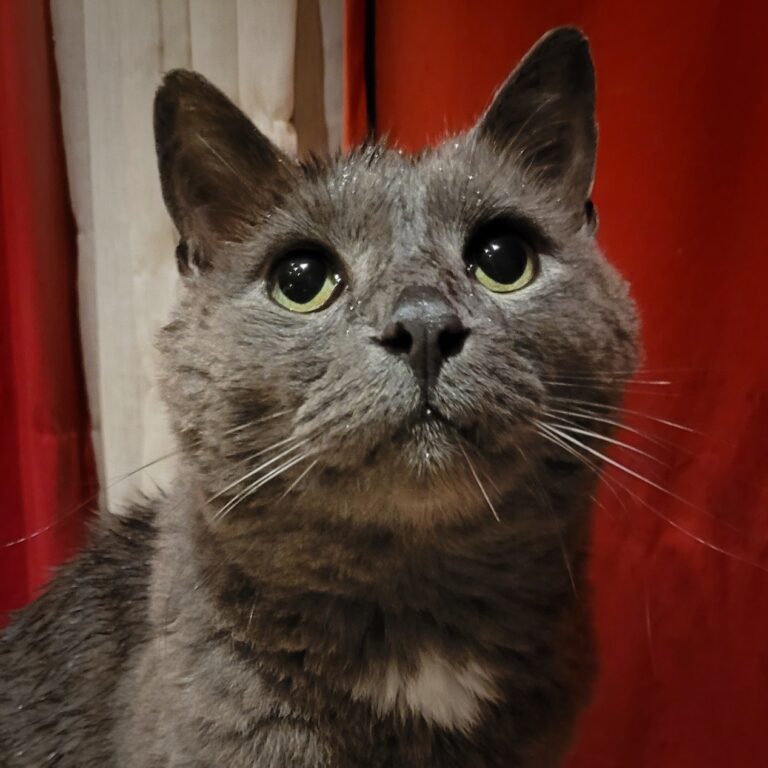
Cats, with their enigmatic aura, have been the subject of numerous myths and misconceptions. As the most popular pet in the United States, it’s essential to separate fact from fiction to understand these creatures better. Here’s a deep dive into some common myths about feline behavior:
1. Solitary Creatures
Myth: Cats are solitary animals and prefer to be home alone. Truth: Cats can experience separation anxiety, leading to behaviors like inappropriate urination or excessive vocalization. It’s crucial to provide them with interaction and stimulation to keep them content.
2. Litterbox Issues
Myth: Cat litterbox problems are purely behavioral and can’t be fixed. Truth: Litterbox issues can stem from medical concerns or stress. It’s essential to consult a veterinarian to identify the root cause and address it appropriately.
3. Mean Scratchers
Myth: Cats scratch because they are mean. Truth: Cats may scratch for various reasons, including expressing irritation or during play. It’s essential to understand the context and address any underlying issues.
4. Danger to Newborns
Myth: Cats will suck the life out of a newborn baby. Truth: This is a baseless urban legend. With proper supervision, cats and babies can form deep bonds.
5. Self-Entertainers
Myth: Cats never need special playtime as they entertain themselves. Truth: Cats thrive with daily activities. Engaging with them through play can reduce unwanted behaviors.
6. Anti-Social Felines
Myth: Cats never get along with other cats. Truth: Many cats enjoy the company of their feline peers. Proper introductions can lead to harmonious relationships.
7. Furniture Destroyers
Myth: Cats who claw furniture have behavioral issues. Truth: Scratching is a natural behavior for cats. Instead of punishing them, provide appropriate outlets like scratching posts.
8. Vet Visit Phobia
Myth: Cats always freak out at the vet’s office, and there’s no solution. Truth: Regular vet visits are vital for cats. Many clinics now employ “stress-free visit” protocols to make the experience more pleasant for felines.
9. Self-Raising Kittens
Myth: Kittens and cats raise themselves and don’t need training. Truth: Early socialization is crucial for kittens. It helps them adapt to their environment and form bonds.
10. Meaningless Meows
Myth: Cat meows don’t mean anything and can be ignored. Truth: Meowing is a form of communication for cats. While some meows might be attention-seeking, others can indicate medical problems.
Understanding the true nature of cats and debunking these myths can lead to a more harmonious relationship between felines and their owners. Always approach cat behaviors with an open mind and consult professionals when in doubt.